
As the seasons change, so do the conditions inside and outside your home. Temperature fluctuations, changing weather patterns, and differences in ventilation can all influence the amount of radon gas that accumulates indoors. While radon is a year-round concern, your home’s radon levels may fluctuate throughout the year. Understanding these seasonal changes can better equip you to recognize potential risks, remind you to get your home tested, and help you choose the right radon system to protect your household.
Why Do Radon Levels Change with the Seasons?
Because Radon is colorless, odorless, and tasteless, you won’t know it’s entering your home without proper testing. Radon typically enters through openings in your home’s foundation, including cracks in concrete, gaps around pipes, floor drains, and sump pits. Once inside, it can accumulate, particularly in areas with limited ventilation.
Several environmental factors influence how radon moves from the soil into your home:
- Temperature differences: Changes between indoor and outdoor temperatures can create pressure differences that draw soil gases into your home.
- Ventilation: When windows and doors remain closed, less fresh air circulates, potentially allowing radon to accumulate.
- Air pressure: Differences in pressure between your home and the surrounding soil can encourage radon to enter through foundation openings.
- Soil conditions: Rainfall, soil moisture, and freezing ground can influence how soil gases move.
These factors help explain why radon readings can vary from one season to another, even when nothing about your home’s structure has changed.
How Winter and Summer Weather Affect Indoor Radon Levels
Winter is often associated with higher indoor radon concentrations. As temperatures drop, homeowners typically keep windows and doors closed to conserve heat. Warm indoor air rises and escapes through openings in the upper portions of your home. This can create lower air pressure near the foundation, drawing radon-containing soil gas through cracks and other openings in the basement or lowest level.
Summer can bring different challenges. Warmer weather often encourages homeowners to open windows and doors, increasing natural ventilation and helping dilute indoor radon concentrations. However, if you rely on air conditioning, your home may remain closed for much of the season. Reduced outdoor air exchange can allow radon to accumulate. Additionally, changes in rainfall, soil moisture, and atmospheric pressure can influence radon movement.
Which Areas of Your Home Are Most at Risk?
Because radon originates in the ground, the areas closest to your home’s foundation are generally the most vulnerable. However, radon can move beyond these spaces and reach other parts of your home. Pay particular attention to basements, crawl spaces, ground-level living areas, and lower-level bedrooms and living spaces.
Although upper floors may have lower radon concentrations on average, the gas can circulate throughout your home. Testing should focus on the lowest level you regularly use or occupy.
How Can You Keep Seasonal Radon Changes from Becoming a Health Risk?
The most important thing to remember is that you cannot determine your home’s radon levels based on the season, your home’s age, or whether you have a basement. Radon testing is the only way to know whether elevated concentrations are present. If you haven’t tested your home recently, consider scheduling a professional assessment.
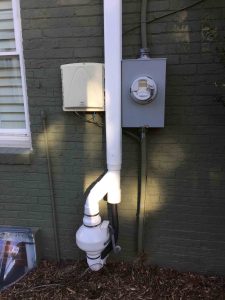
If testing reveals elevated levels, radon remediation can help address the problem. A properly designed radon reduction system works by drawing radon-containing soil gas from beneath your home’s foundation and safely venting it outdoors before it accumulates indoors. Depending on your home’s construction and layout, interior or exterior radon system installation may be appropriate.
JK Radon, LLC serves homeowners throughout Northern Virginia by keeping them and their families safe from radon gas. Get in touch with us at 703-655-4574 to get a free quote.
Recent Comments