
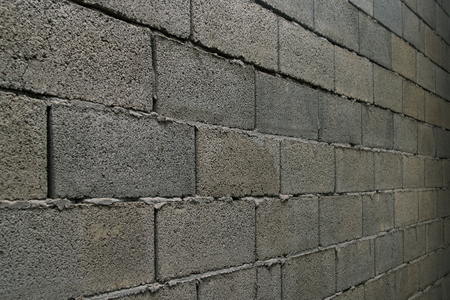
Block walls can be the source of a high radon level. Block walls can be used with sub slab systems to help lower the radon level. Combined, this can be a secondary solution to a radon filled home.
What Is Block Wall Radon Mitigation?
Block wall radon mitigation (also called block wall depressurization) is a specialized radon reduction method used in homes with hollow concrete block foundation walls. A fan and pipe system draws air from inside the block cavities and vents it safely outdoors, lowering radon levels before the gas can enter the living space.
🧱 When Is a Block Wall System Needed?
This approach is typically recommended only when radon is entering through the hollow spaces in block walls rather than predominantly through the slab. It’s less common than other methods but can be very effective in the right foundation type.
🛠️ How Does Block Wall Depressurization Work?
A suction point is created inside the hollow block wall cavity, and a fan system maintains lower pressure within the block core compared to the basement air. This pressure difference draws radon from the soil into the mitigation system and vents it outdoors instead of letting it migrate into your home.
📍 Can Block Wall Mitigation Be Combined With Other Methods?
Yes — in many homes, block wall depressurization is used together with sub-slab depressurization or other techniques to address radon entry from both the slab and the foundation walls for the best overall reduction results.
🎯 Is Block Wall Radon Mitigation Effective?
When properly designed and installed by a qualified professional, block wall suction systems can reduce radon significantly in homes with hollow block foundations. As with other radon mitigation approaches, careful sealing of wall voids and system balancing are essential for optimal performance.